
Summer Truck Driving Safety Starts Before the Hazard Shows Up
Summer does not just make the roads busier. It makes them less predictable. Memorial Day hits, schools let out, families start traveling, motorcycles come out, RV traffic increases, construction zones multiply, and distracted drivers seem to show up everywhere at once.
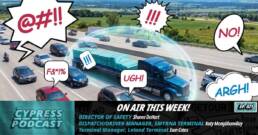
In Episode 21 of the Cypress Truck Lines Podcast, host Marcus Bridges sits down with Cypress Director of Safety Sharee DeHart, driver manager Katy Mongkhonvilay, and terminal manager Ison Cates for a timely conversation about summer truck driving safety. This is not a scare tactic. It is a realistic look at what professional drivers need to watch for when the season changes and the margin for error gets smaller.
For Cypress and Sun Belt drivers, the job is not just moving freight. It is staying aware, staying patient, and making the right decision when someone else on the road makes the wrong one.
Listen to This Episode
Listen wherever you get your podcasts, including Apple Podcasts, Spotify, Amazon Music, iHeartRadio, and Podchaser.
Episode Overview
This episode focuses on the safety challenges that show up when summer travel begins. Teen drivers are out of school and on the road. Families are heading to vacation spots. RVs and campers are moving through traffic. Motorcycles are harder to see and harder to predict. Construction zones are tightening lanes and changing traffic patterns. On top of all that, distracted driving continues to be one of the biggest problems professional drivers face.
Sharee, Katy, and Ison each bring a different perspective to the conversation. Sharee speaks from the safety department, where coaching and prevention are part of the daily work. Katy brings the driver manager perspective, talking about patience, communication, and helping drivers stay calm when traffic gets frustrating. Ison adds the perspective of someone who has been behind the wheel, worked in dispatch, planned loads, and now manages a terminal.
Together, they explain why summer driving does not just test a driver’s skill. It tests discipline.
What You’ll Learn
- Why summer driving creates more unpredictable road conditions
- How teen drivers, RVs, motorcycles, and vacation traffic change the risk level
- Why distracted driving remains one of the biggest safety concerns
- What professional drivers need to watch for in construction zones
- Why patience is a critical safety skill for truck drivers
- How trip planning helps drivers stay ahead of changing conditions
- Why motorcycles require extra mirror checks and awareness
- How Cypress uses coaching, communication, and driver support to keep safety first
The Margin for Error Disappears in Summer
Marcus opens the episode by naming the summer hazards one after another. Teenagers with new licenses. Families in RVs. Motorcycles moving fast and hard to see. Construction zones squeezing lanes down. Drivers paying more attention to their GPS, phone, or vacation plans than the road in front of them.
When all of that shows up at once, the margin for error disappears.
That is the reality professional drivers face. The people creating the chaos are usually not the ones hauling 80,000 pounds. That responsibility falls on the truck driver. Cypress drivers have to see problems before they become problems, stay patient when other drivers are not, and make the safest choice even when someone else makes a dangerous one.
That is why summer truck driving safety is about more than knowing how to handle a truck. It is about awareness, preparation, and discipline.
Distracted Driving Is Still the Biggest Threat
One of the clearest themes in this episode is distracted driving. Sharee, Katy, and Ison all talk about how much danger comes from people who are not fully focused on the road.
Cell phones are a major part of the problem, but Sharee makes the point that distraction can come from anywhere. It can be a phone conversation, kids in the backseat, GPS directions, beach traffic, pedestrians, or a driver trying to figure out where they are going at the last second.
For truck drivers, that means the job requires constant scanning. Drivers have to watch their mirrors, look ahead, check traffic patterns, monitor vehicles around the trailer, and anticipate what other motorists may do next.
That level of attention is exhausting, but it is part of the responsibility that comes with professional driving. As Sharee explains, Cypress coaches drivers to recognize these risks before they turn into accidents.
Motorcycles, RVs, and Teen Drivers Change the Road
Summer brings more motorcycles, and motorcycles bring a visibility challenge. They are small, fast, and easy to miss in a mirror check. Ison explains that a motorcycle can come up on a loaded flatbed quickly, sometimes before a driver even realizes it is there.
That does not mean the truck driver is doing anything wrong. It means the professional driver has to be ready for what other motorists might do.
RVs and campers create a different kind of hazard. Many people driving or towing them only do it a few times a year. They may not understand how their equipment handles at speed, how quickly a trailer can begin to fishtail, or how much space they need to maneuver safely around trucks.
Then there are teen drivers. Memorial Day through Labor Day brings more young, inexperienced drivers onto the road. They may not understand blind spots, merge speeds, stopping distance, or the danger of camping next to a tractor-trailer. Professional drivers have to recognize that inexperience and give themselves more space to respond.
Construction Zones Require Patience and Planning
Summer construction zones are more than an inconvenience. They are a real safety hazard.
Lanes get narrow. Speed limits change. Traffic shifts unexpectedly. Workers are near moving vehicles. Jersey barriers leave little room for error. Other drivers get impatient, cut in too close, or follow too tightly. For a loaded flatbed driver, every one of those factors matters.
Ison explains that the safest response in construction zones is often the simplest one: slow down. If the lane feels tight, if the pattern changes fast, or if traffic is unpredictable, slowing down gives the driver more time to process what is happening.
Katy adds that trip planning is especially important when construction affects major areas like Atlanta. Drivers need to know where they are going, what traffic conditions may look like, where they can fuel, where they can park, and what alternate plans they may need.
That is where communication matters. Drivers share what they see. Dispatch and safety send fleet messages. The whole company works to keep drivers informed before they run into a problem.
Safety at Cypress Is Built on Coaching
One of the most important parts of this episode is how Sharee talks about coaching. Safety at Cypress is not just about correcting mistakes after something goes wrong. It is about helping drivers improve, learn, and avoid problems before they happen again.
That matters because driving is never perfect. Traffic changes. Other motorists make bad decisions. Construction zones move. Weather shifts. Equipment can have problems. The goal is not to pretend those things will never happen. The goal is to build drivers who know how to respond when they do.
Cypress uses communication, coaching, safety reviews, and driver feedback to help keep the fleet focused. Drivers are encouraged to call safety, report hazards, share road information, and learn from difficult situations.
That is part of what makes Cypress a safety-focused company. It is not only the safety department. It is the trainers, driver managers, terminal managers, orientation team, Cypress CDL School, and the drivers themselves all working toward the same goal.
Frequently Asked Questions
Why is summer driving more dangerous for truck drivers?
Summer driving can be more dangerous because there are more vehicles on the road, including teen drivers, vacation traffic, RVs, motorcycles, and distracted motorists. Construction zones also increase during warmer months, creating tighter lanes, changing traffic patterns, and more opportunities for sudden braking or unsafe lane changes.
What should truck drivers watch for during summer travel season?
Truck drivers should watch for distracted drivers, inexperienced teen drivers, motorcycles in blind spots, RVs or campers moving unpredictably, construction zones, pedestrians, and sudden traffic slowdowns. Drivers should also give themselves extra following distance and avoid rushing when road conditions change.
Why are motorcycles a concern for professional drivers?
Motorcycles are small compared to a loaded tractor-trailer, which makes them harder to see and harder to track in mirrors. They can also approach quickly, change lanes suddenly, or ride in blind spots. Professional drivers need to scan mirrors often and avoid sudden lane changes when motorcycle traffic increases.
How can drivers stay safer in construction zones?
Drivers can stay safer in construction zones by slowing down, watching lane shifts, following posted speed limits, increasing following distance, staying off the phone, and planning ahead for delays or reroutes. When lanes are narrow or barriers are close, patience and steady control matter more than speed.
What is the biggest safety concern discussed in this episode?
Distracted driving is one of the biggest safety concerns discussed in this episode. The guests talk about how cell phones, GPS directions, passengers, vacation traffic, and general inattention can create dangerous situations around trucks. Professional drivers have to stay alert for their own safety and for the safety of everyone around them.
How does Cypress Truck Lines approach driver safety?
Cypress Truck Lines approaches safety through coaching, communication, trip planning, driver support, and constant awareness. The safety team works with drivers to identify risks, review situations, and help drivers make safer decisions. The goal is to keep drivers and the motoring public safe every day.
Drive with a Company That Puts Safety First
f you are looking for a driving career with a company that takes safety seriously, Cypress Truck Lines offers flatbed trucking opportunities built around support, communication, and professional standards. Cypress drivers are backed by experienced safety leaders, driver managers, trainers, and terminal teams who understand what it takes to succeed on the road.
Questions? Call 1-800-545-1351 to speak with a recruiter.